For many people, building generational wealth feels out of reach. The rising cost of housing, inflation, student loan debt, and everyday expenses can make financial freedom seem like a distant goal. Yet throughout history, one asset class has consistently played a central role in helping families build long-term wealth: real estate.
While there is no guaranteed path to financial success, real estate has long been valued for its potential to generate income, appreciate over time, and create opportunities for future generations.
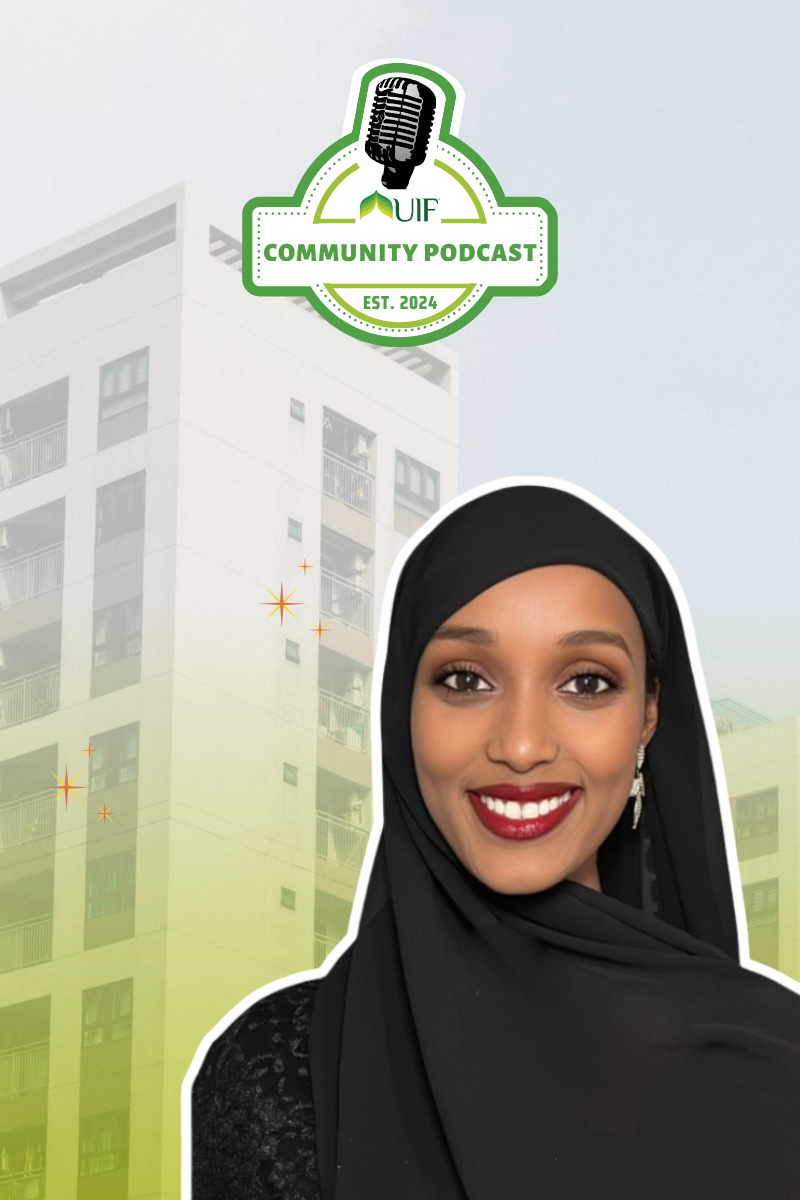
On a recent episode of the UIF Community Podcast, we sat down with real estate investor Sirai Farah to discuss her journey from purchasing her first investment property to managing more than 320 apartment units and approximately $95 million in real estate assets. Along the way, she shared lessons about entrepreneurship, investing, and building generational wealth with purpose.
Wealth Is Built Through Consistency, Not Overnight Success
When people hear about successful real estate investors, it’s easy to focus on where they are today rather than where they started. Large portfolios often make headlines, but every experienced investor began with a first property.
One of the biggest misconceptions about real estate investing is that you need substantial wealth before you can begin. In reality, many investors start by learning, building relationships, and gradually gaining experience before expanding their portfolios.
Sirai’s journey demonstrates that wealth is often built one decision at a time. Rather than chasing quick wins, successful investors typically think in terms of years and decades, allowing their knowledge, equity, and experience to compound over time.
But before you go ahead and purchase an investment property, it’s important to understand the fundamentals. Successful investors spend time learning about local markets, financing options, property management, cash flow, and risk. They ask questions, seek mentorship, and continue learning long after closing on their first deal. Knowledge doesn’t eliminate risk, but it can help investors make more informed decisions and avoid costly mistakes.
One of the recurring themes throughout the conversation is that education should come before expansion. Building a strong foundation often leads to better opportunities as your portfolio grows.
Relationships Create Opportunities
Real estate is often viewed as a numbers business. While financial analysis is certainly important, experienced investors know that relationships are just as valuable.
Finding opportunities often depends on building trust with brokers, lenders, contractors, property managers, attorneys, and fellow investors. Strong professional relationships can lead to partnerships, access to new deals, and valuable advice that isn’t found in a textbook.
No one builds a large portfolio entirely on their own; whether you’re investing in real estate, starting a business, or advancing your career, your network often becomes one of your greatest assets.
Real Estate Requires Patience
The most successful investors rarely approach real estate with a short-term mindset.
Markets fluctuate. Interest rates change. Renovations take longer than expected. Unexpected expenses arise. Those realities are part of investing.
Rather than becoming discouraged by temporary setbacks, long-term investors remain focused on the bigger picture. They understand that building wealth is less about timing the market perfectly and more about making thoughtful decisions consistently over time.
Patience doesn’t eliminate uncertainty, but it often helps investors avoid emotional decisions that can derail long-term goals.
Generational Wealth Is About More Than Money
The phrase “generational wealth” is often associated with financial assets, but its meaning extends much further.
True generational wealth includes financial literacy, strong values, responsible stewardship, and the ability to prepare future generations to manage what has been built.
Without knowledge, even significant generational wealth can disappear within a generation. By contrast, families that prioritize education, discipline, and intentional financial planning are often better positioned to preserve and grow their resources over time.
Real estate can certainly play a role in that journey, but so can teaching children about budgeting, investing, charitable giving, and making wise financial decisions.
Financial success is valuable, but purpose gives it meaning. For many Muslim investors, building wealth is not simply about increasing net worth. It’s about creating stability for their families, supporting charitable causes, investing in their communities, and leaving behind something beneficial for future generations. That perspective changes how success is measured.
Instead of asking, “How many properties do I own?” the more meaningful question becomes, “How can the resources Allah has entrusted to me create lasting benefit for others?”
When wealth is viewed as a responsibility rather than an end goal, investing becomes about more than financial returns. It becomes an opportunity to serve, provide, and build a legacy.
Every Journey Begins with a First Step
Managing hundreds of apartment units may seem far removed from where most people are today.
But every experienced investor started exactly where every beginner starts: with curiosity, education, and the willingness to take the first step.
Sirai Farah’s journey serves as a reminder that building generational wealth is rarely the result of one extraordinary decision. More often, it is the product of countless ordinary decisions made consistently over time.
Whether your goal is purchasing your first home, investing in rental property, or simply learning more about wealth-building strategies, lasting success begins with a commitment to continual learning, disciplined action, and a long-term perspective.
Share This Story, Choose Your Platform!