Buying a home is one of the biggest financial decisions you’ll make. Therefore, choosing where to live is about much more than finding a house you can afford. For Muslim homebuyers, the right community can be just as important as the right property. Access to a nearby masjid, Islamic schools, halal businesses, and a strong Muslim community can all play a role in deciding where to put down roots.
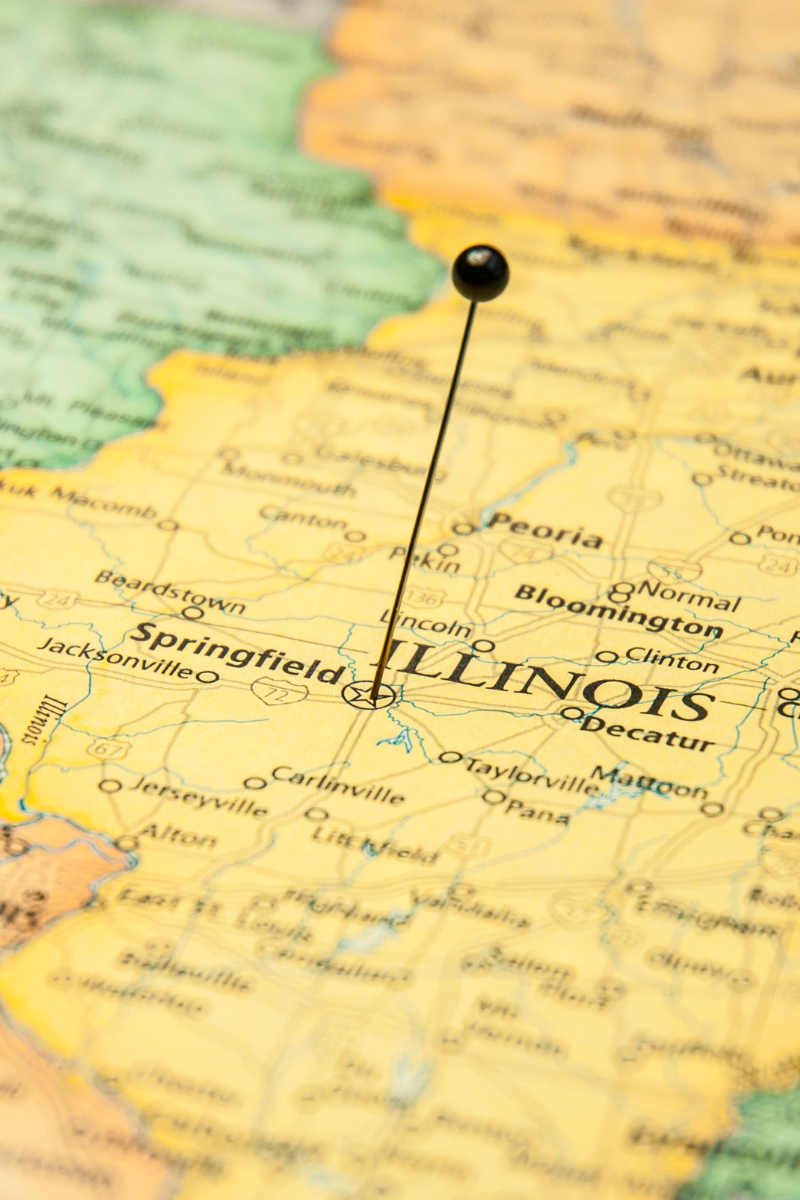
Illinois (particularly the greater Chicago area) is home to one of the largest and most established Muslim communities in the United States. The Chicago metropolitan area has roughly 100 mosques, with many located in the surrounding suburbs, and Illinois is home to an estimated 400,000 Muslims.
That means Muslim homebuyers have a wide range of communities to consider. You can find established Muslim neighborhoods in Chicago and the southwest suburbs, growing communities throughout the western suburbs, and Muslim families and Islamic organizations throughout the rest of the state.
Whether you’re buying your first home, relocating to Illinois, or looking for a larger home for your growing family, this guide will help you understand the Illinois housing market, explore Muslim communities throughout the state, find local masjids and resources, and learn about programs that may help make homeownership more attainable.
Let’s get started.
The Illinois Housing Market
Illinois is a large and diverse state, so there isn’t one housing market that represents every buyer’s experience.
The Chicago metropolitan area is significantly different from central Illinois, southern Illinois, or communities along the Wisconsin border. Even within the Chicago area, home prices can vary substantially from one suburb to another.
As you begin your search, it’s helpful to look beyond the statewide average and research the specific communities where you’re considering buying.
What should you consider?
- Median home price in the area
- Property taxes
- Homeowners insurance
- School districts
- Commute times
- Neighborhood amenities
- Proximity to masjids and Islamic schools
- Availability of halal businesses
- Future development and resale potential
Chicago’s housing market has also experienced notable price growth. In May 2026, the Chicago metropolitan area recorded a 6.9% year-over-year increase in the S&P CoreLogic Case-Shiller index, illustrating why buyers should pay attention to local market conditions rather than relying solely on statewide averages.
How Much Does a Home Cost in Illinois?
Home prices vary widely throughout Illinois. A home in downtown Chicago can have a dramatically different price tag from a home in Rockford, Springfield, or a smaller community in central Illinois. Even within Chicagoland, prices can change significantly from one suburb to the next. With that being said, according to Redfin the average home cost in Illinois is $340,000.
For Muslim families, this can actually be an advantage: you don’t necessarily have to choose between affordability and community. The greater Chicago area has established Muslim communities spread across numerous neighborhoods and suburbs, giving buyers the opportunity to compare housing costs while still remaining connected to the Muslim community.
When determining what you can afford, don’t look only at the purchase price. Your total monthly housing costs may include:
- Principal
- Property taxes
- Homeowners insurance
- Association fees, if applicable
- Utilities
- Maintenance and repairs
This is especially important in Illinois, where property taxes can represent a significant portion of the cost of owning a home.
Where Do Muslims Live in Illinois?
Illinois’ Muslim community is particularly concentrated in the Chicago metropolitan area, but Muslims live throughout the state. If being close to a Muslim community is important to you, these are some areas worth exploring.
Bridgeview and the Southwest Suburbs
Bridgeview and the surrounding southwest suburbs are among the most established Muslim communities in Illinois. The area is home to the Mosque Foundation, Islamic schools, halal businesses, and a large Palestinian-American community. The stretch of Harlem Avenue through the southwest suburbs has even become known as “Little Palestine.”
For families who want to be surrounded by a well-established Muslim community, this area deserves a spot on the list.
Oak Lawn and Orland Park
Oak Lawn and Orland Park are popular southwest suburban communities located near many of the area’s Islamic centers. Homebuyers can find a range of single-family homes and established neighborhoods while remaining within convenient driving distance of masjids and Muslim-owned businesses.
Naperville
Naperville is one of the most popular western suburbs for families and is home to a significant Muslim community. The Islamic Center of Naperville operates multiple locations serving the area, including facilities on 75th Street, Olesen Drive, 248th Avenue, and Ogden Avenue.
The combination of highly regarded schools, family-oriented neighborhoods, employment opportunities, and access to Islamic institutions makes Naperville an appealing option for Muslim families.
Bolingbrook
Bolingbrook offers suburban housing options with convenient access to both Naperville and the southwest suburbs. Its location puts residents within reach of several Islamic centers, including Masjid El-Islam and The Mecca Center.
Lombard and the Western Suburbs
The western suburbs offer numerous options for families who want suburban living while remaining connected to the broader Muslim community. Lombard, Glen Ellyn, Wheaton, West Chicago, and surrounding communities have access to several masjids and Islamic organizations.
Chicago
Chicago itself has a long and diverse Muslim history. The city’s Muslim population includes communities with roots across the Middle East, South Asia, Africa, and many other parts of the world. While many Muslim families have moved to the suburbs over the years, Chicago remains home to numerous mosques and Islamic organizations.
Masjids and Islamic Centers in Illinois
One of the best parts of buying a home in the Chicago area as a Muslim is the sheer number of Islamic institutions available.
The Council of Islamic Organizations of Greater Chicago maintains a directory of mosques and Islamic centers throughout Illinois, including communities in Chicago, Bridgeview, Aurora, Bolingbrook, Bloomington-Normal, West Chicago, and other cities.
Some notable Islamic centers include:
- Mosque Foundation (Bridgeview)
- The Mecca Center (Willowbrook)
- Islamic Center of Naperville (Naperville)
- Masjid Al Huda Midwest Islamic Center (Schaumburg)
- Masjid Uthman (Lombard)
- Masjid Hidayath (Aurora)
- Masjid-E-Suffah (Skokie)
When choosing where to live, consider more than just the distance to the nearest masjid. You may also want to look at Friday prayer schedules, children’s programs, Islamic schools, youth activities, community events, and other services that are important to your family.
Illinois First-Time Homebuyer Assistance Programs
Saving enough money for a down payment and closing costs can be one of the biggest obstacles to buying a home. Fortunately, Illinois offers several programs that may help qualified buyers.
IHDAccess Home
In 2026, the Illinois Housing Development Authority launched IHDAccess Home, a statewide program designed to help eligible first-time homebuyers with upfront homebuying costs.
The program offers assistance equal to 6% of the purchase price, up to $15,000, for down payment and closing costs. The assistance is provided as an interest-free loan that is deferred for the life of the mortgage and generally becomes due when the home is sold, refinanced, or the mortgage is paid off.
Current requirements include:
- First-time homebuyer status, with certain exceptions
- Minimum credit score of 640
- Household income and purchase price limits
- Primary residence requirement
- Completion of homeownership education
- Use of an IHDA-approved lender
Both existing homes and new construction can qualify.
Cook County Down Payment Assistance Program
Cook County offers a Down Payment Assistance Program to help first-time and repeat home buyers with downpayments, closing costs, or mortgage buydowns. The program provides assistance up to $25,000 for qualifying home buyers.
Criteria for the program includes household income requirements, and a homebuyer education course for first-time buyers.
Chicago Housing Authority
Individuals looking to buy a home within the City of Chicago are also eligible to receive up to $20,000 with Chicago Housing Authority’s Downpayment Assistance Program. Funds from the program can be used for down payments, reducing the loan amount, or to cover closing costs.
The CHA DPA program is available only to first-time home buyers, and must meet additional criteria in order to receive the grant.
* UIF is not affiliated with any of the above listed or other IL state assistance programs.
How Much Should You Save Before Buying a Home?
Your down payment is only one part of the money you’ll need to purchase a home. You should also plan for:
Down Payment: The amount you’ll need depends on your financing structure and individual circumstances.
Closing Costs: Closing costs can include fees associated with the title, appraisal, inspections, recording, and other services.
Home Inspection: A professional inspection can help identify potential problems before you commit to the purchase.
Earnest Money: You may need to provide earnest money when your offer is accepted.
Moving Costs: Don’t forget about the cost of moving, furniture, appliances, and other expenses associated with getting settled.
Emergency Savings: Homeownership comes with unexpected expenses. A water heater, furnace, roof, or major appliance doesn’t care whether it’s convenient for your budget.
Illinois Property Taxes Can Impact Your Monthly Payment
Property taxes are one of the most important expenses Illinois homebuyers need to consider. Two homes with the same purchase price can have significantly different monthly costs depending on where they’re located.
Before making an offer, investigate the property’s:
- Current property tax bill
- Tax assessment
- School district
- Exemptions
- Historical tax increases
Your financing professional can help you understand how estimated property taxes affect your overall monthly payment, but it’s also important to research the specific property you’re considering.
Ready to Start Your Homebuying Journey?
Buying a home in Illinois can feel complicated, but you don’t have to figure everything out at once. Start by understanding what you can afford, identifying the communities that fit your family’s needs, researching available assistance, and exploring financing options that align with your values.
For Muslim homebuyers, the goal isn’t simply to find a house. It’s to find a place where you can build a future, grow your family, and become part of a community while staying true to your faith. Buying a home in Illinois with UIF means partnering with America’s oldest and most trusted halal home financier.
With the right preparation and resources, that goal can be within reach.
Share This Story, Choose Your Platform!