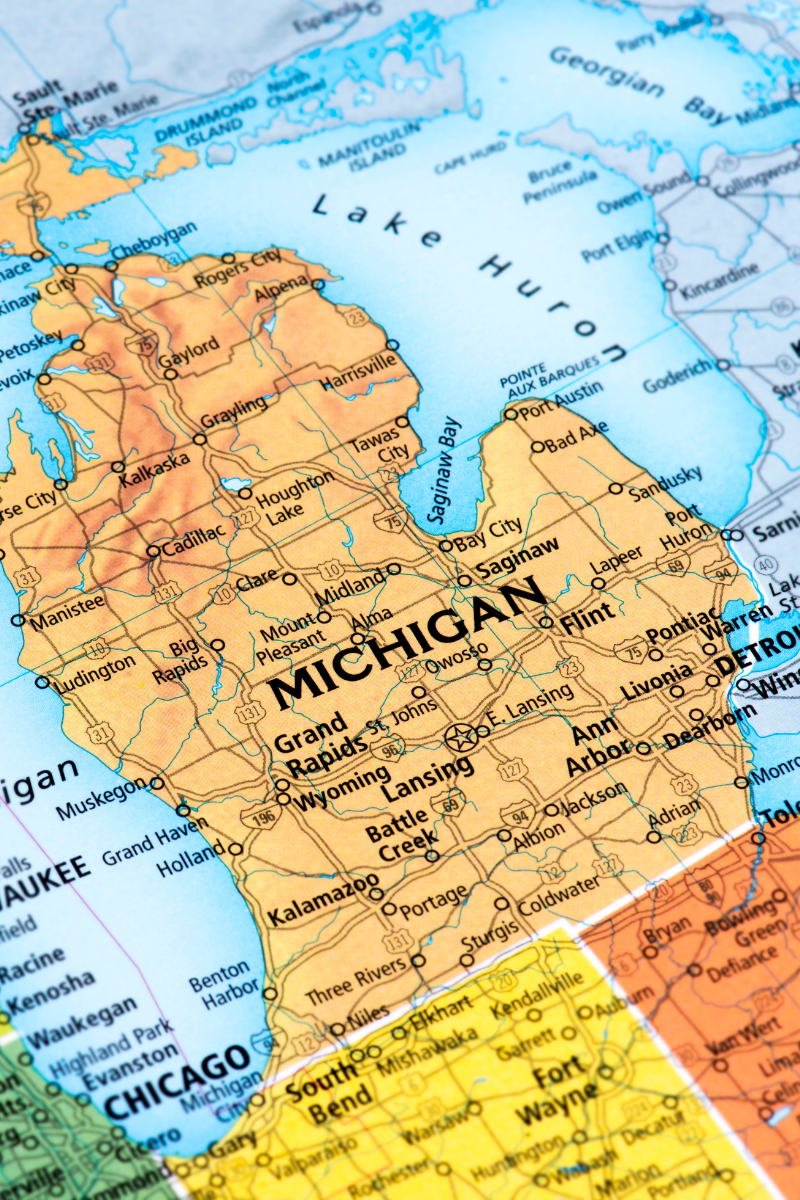
Michigan has long been one of the most affordable states for homeownership, offering a mix of vibrant cities, growing suburbs, and peaceful rural communities. For Muslim families, Michigan is also home to one of the largest and most established Muslim populations in the United States, making it easier to find welcoming neighborhoods, Islamic schools, halal restaurants, and masjids.
Whether you’re purchasing your first home or relocating within the state, understanding Michigan’s housing market, available assistance programs, and community resources can help you make a confident, informed decision.
This guide covers everything you need to know: from average home prices and first-time buyer grants to where Michigan’s Muslim communities are located and what to expect during the homebuying process.
Why Buy a Home in Michigan?
Michigan offers an appealing combination of affordability, economic opportunity, and community. Some of the benefits include:
- Home prices that remain below the national average in many markets
- A variety of housing options, from downtown condos to suburban neighborhoods and rural properties
- Growing employment opportunities in healthcare, manufacturing, technology, education, and finance
- Four distinct seasons and abundant parks, lakes, and outdoor recreation
- One of the largest Muslim populations in the United States
For many families, Michigan provides an opportunity to become homeowners sooner than they might in more expensive states.
Michigan Housing Market
While housing prices vary depending on the city and neighborhood, Michigan continues to be considered one of the more affordable housing markets in the country.
Some statewide averages include:
| Housing Statistic | Michigan |
| Median home price | Approximately $280,000–$300,000 (Source: Redfin; varies by market) |
| Typical down payment | Often between 3% and 10% for first-time buyers |
| Average closing costs | About 2–5% of the purchase price |
| Property taxes | Vary by county and municipality |
Keep in mind that cities such as Ann Arbor and Novi generally have higher home prices than communities like Lansing, Flint, or parts of Metro Detroit.
Where Do Many Muslims Live in Michigan?
Michigan’s Muslim community is diverse and continues to grow throughout the state. While Southeast Michigan has the largest concentration, you’ll find vibrant Muslim communities in many regions.
Dearborn
Often recognized as having one of the largest Muslim populations in America, Dearborn offers numerous masjids, halal grocery stores, restaurants, schools, and community organizations.
Canton
Canton has become increasingly popular with Muslim families thanks to newer neighborhoods, strong schools, and convenient access to Metro Detroit.
Novi
Novi combines excellent public schools, shopping, and family-friendly neighborhoods with a growing Muslim community.
Troy
Known for highly rated schools and convenient commuting, Troy is another popular choice among Muslim professionals and families.
Ann Arbor
Home to the University of Michigan, Ann Arbor features a diverse international population, active Muslim organizations, and a strong academic community.
Notable Masjids Throughout Michigan
One of the advantages of purchasing a home in Michigan is the abundance of Islamic centers serving communities across the state.
Some well-known masjids include:
- Islamic Center of America (Dearborn)
- Islamic House of Wisdom (Dearborn Heights)
- Muslim Community Association of Ann Arbor
- Islamic Society of Greater Lansing
- Grand Rapids Islamic Center
- Islamic Organization of North America (Warren)
Before purchasing a home, consider how close you’d like to be to your local masjid, Islamic school, or community center.
Michigan First-Time Homebuyer Assistance Programs
Buying a home often requires saving for a down payment and closing costs, but several programs are available to help eligible buyers.
MI 10K “Pathway to Housing” Down Payment Assistance
Qualified buyers may receive up to $10,000 toward their down payment or closing costs when purchasing a home with Michigan’s Pathway to Housing program.
Eligibility is based on factors such as:
- Income limits
- Credit qualifications
- Homebuyer education requirements
- Purchase price limits
Detroit Down Payment Assistance Program
The City of Detroit has it’s own downpayment assistance program which helps qualified buyers receive up to $25,000 in assistance towards homebuying costs (downpayment, pre-paids, and closing costs qualify). Qualifications for this program include but are not limited to:
- Must have lived in the City of Detroit for the past 12 months
- Resident has not owned a home for the past 3 years
- Make under the area median income (AMI) per household (AMI qualifications are located on the website)
* UIF is not affiliated with any of the above listed or other Michigan state assistance programs.
How Much Money Should You Save?
While every situation is different, many buyers should budget for more than just the down payment.
Common expenses include:
- Earnest money deposit
- Down payment
- Closing costs
- Home inspection
- Appraisal (when applicable)
- Moving expenses
- Initial repairs or furnishings
- Emergency savings after closing
Planning for these expenses ahead of time can make the transition into homeownership much smoother.
Understanding Property Taxes
Property taxes in Michigan vary by county, city, township, and school district.
Before purchasing a home, ask your real estate professional about:
- Current annual property taxes
- Whether taxes are expected to increase after purchase
- Any available exemptions you may qualify for
Since property taxes become part of your monthly housing costs for many homeowners, it’s important to include them in your budget.
Tips for First-Time Homebuyers
Buying your first home can feel overwhelming, but preparing ahead of time can help.
Here are a few practical tips:
- Check your credit before applying.
- Avoid opening new credit accounts during the homebuying process.
- Save beyond the minimum down payment.
- Get pre-approved before shopping for homes.
- Budget for ongoing maintenance and repairs.
- Work with experienced professionals who understand your financial goals.
Buying a Home While Staying True to Your Faith
For many Muslims, purchasing a home isn’t just a financial decision, it’s also a religious one.
Many conventional mortgages involve interest (riba), which many Muslims seek to avoid. As a result, many homebuyers choose Sharia-compliant home financing structured around co-ownership rather than traditional lending.
When evaluating financing options, consider asking questions about:
- How ownership is structured
- How monthly payments are calculated
- Whether the financing aligns with recognized Islamic finance principles
- Whether an independent Sharia advisory board oversees the program
Choosing financing that aligns with both your financial goals and your values can provide greater peace of mind throughout your homeownership journey.
Ready to Begin Your Homebuying Journey?
Michigan offers excellent opportunities for Muslim families looking to build roots, grow their wealth, and become homeowners. From established Muslim communities and numerous masjids to first-time buyer assistance programs and relatively affordable housing, the state continues to be an attractive place to call home.
Whether you’re just beginning to save or are ready to purchase your next home, taking time to understand your options can help you make a confident decision. And when you’re buying a home in Michigan with UIF, you can have peace of mind knowing you’re partnering with America’s oldest and most trusted halal home financier.
If you’re exploring Sharia-compliant home financing, speaking with an experienced financing professional early in the process can help you understand your options before you begin house hunting.
Share This Story, Choose Your Platform!