Every parent wants to see their children succeed.
We hope they’ll excel academically, develop strong character, build meaningful relationships, and remain grounded in their faith as they navigate an increasingly complex world.
But raising confident, compassionate, and resilient children doesn’t happen by accident.
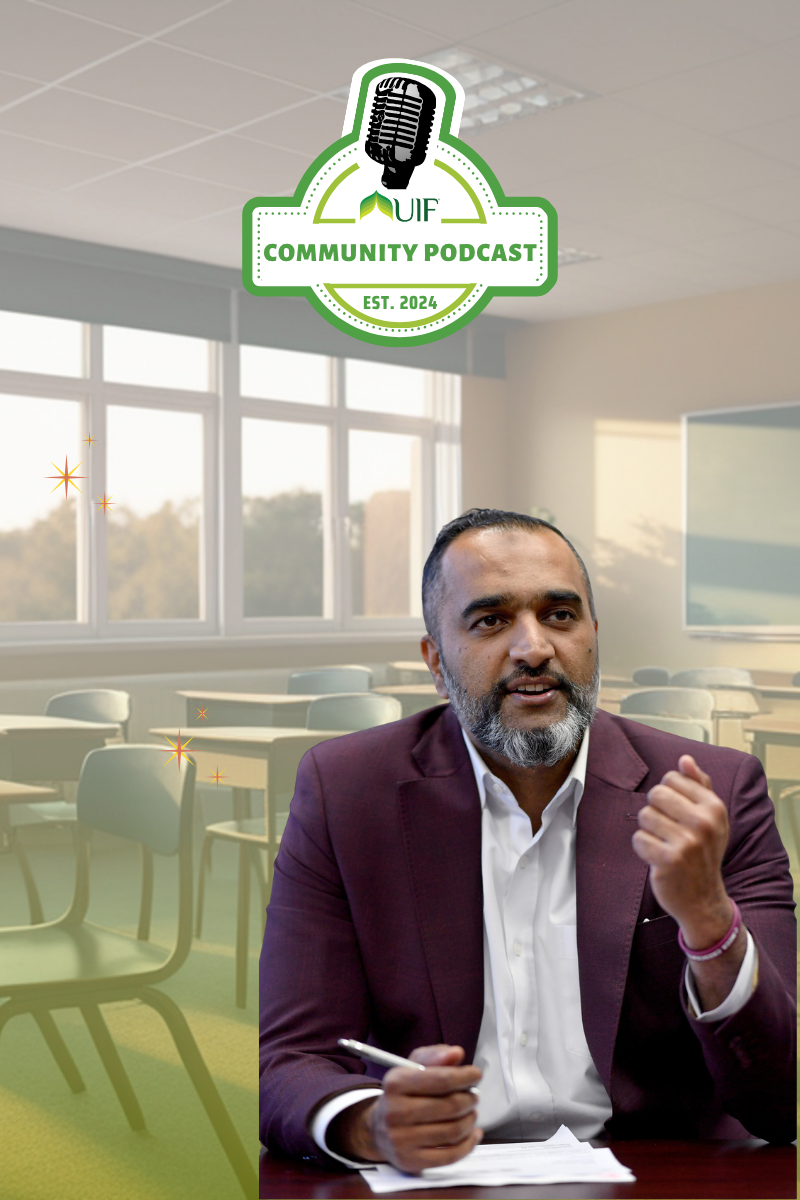
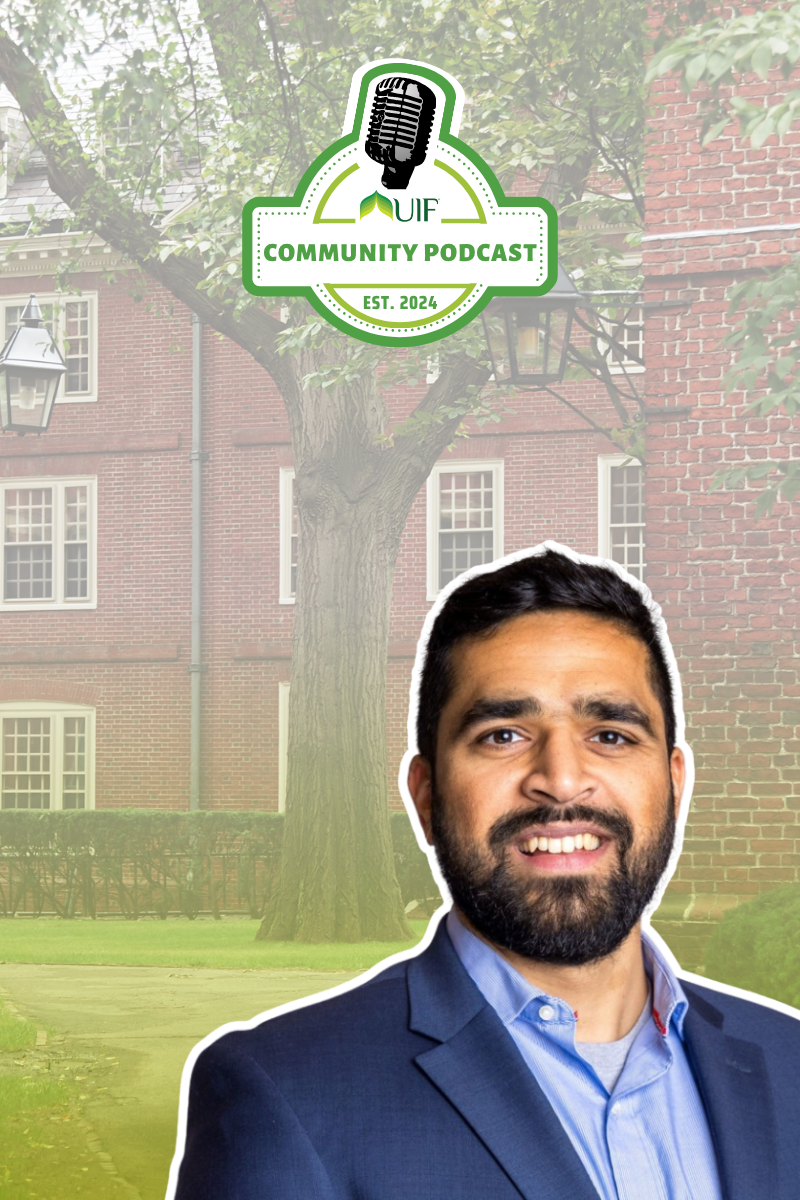
On a recent episode of the UIF Community Podcast, we sat down with Habeeb Quadri, award-winning educator, author, speaker, and recipient of the prestigious National Distinguished Principal Award, to discuss parenting, leadership, Islamic education, and the qualities that help young people thrive. As principal of the Muslim Community Center Academy (MCCA) and a member of the Harvard Graduate School of Education’s Principal Advisory Board, Habeeb has spent decades working alongside students, parents, and educators to build environments where children can flourish academically, emotionally, and spiritually.
Throughout the conversation, one message became clear: education extends far beyond the classroom.
Character Is Built Long Before a Report Card
Parents naturally celebrate good grades, academic awards, and college acceptances.
But while academic success is important, Habeeb emphasized that education should also focus on developing character. Qualities such as honesty, humility, kindness, resilience, and respect cannot always be measured on a report card, yet they often determine how students navigate life long after graduation.
Schools certainly play an important role in nurturing these values, but parents remain a child’s first and most influential teachers. The lessons children learn at home (how they treat others, respond to challenges, and practice their faith) often shape them far more deeply than any textbook ever could.
When families and schools work together with shared values and consistent expectations, children benefit from a foundation that supports both personal growth and academic achievement.
Leadership Begins with Service
Many people associate leadership with authority. Habeeb offers a different perspective.
The most effective leaders are not those who seek recognition or status. They are those who serve others, invest in relationships, and create environments where people feel valued and supported. Whether leading a classroom, a school, a business, or a family, leadership begins by earning trust.
This principle applies equally to parents; children often learn more by observing how adults behave than by listening to what they say. Parents who demonstrate patience, integrity, accountability, and compassion provide powerful examples that shape their children’s understanding of leadership for years to come.
Building Confidence in Today’s World
Young people today face challenges unlike any previous generation. Social media, constant comparison, academic pressure, and the rapid pace of technology can all influence how children view themselves and their future. Developing confidence requires more than praise. It requires helping children recognize their strengths, learn from setbacks, and understand that mistakes are part of growth rather than evidence of failure.
When children know they are valued for who they are (not simply for what they achieve) they are better equipped to face challenges with resilience and perseverance. Confidence built on faith, strong values, and supportive relationships tends to endure far longer than confidence built solely on external accomplishments.
The Unique Role of Islamic Schools
For many Muslim families, choosing a school involves more than academics.
Parents often seek an environment where their children can strengthen their Islamic identity while receiving a high-quality education.
During the conversation, Habeeb discussed the important role Islamic schools play in nurturing both intellectual development and character formation. These schools have the opportunity to help students see that faith and academic excellence are not competing priorities but complementary parts of a well-rounded education.
At their best, Islamic schools prepare students not only for college and careers, but also for lives of service, ethical leadership, and meaningful contribution to their communities.
Parents and Educators Are Partners
One of the strongest themes throughout the discussion is that raising children is a shared responsibility. Teachers spend countless hours helping students learn and grow, but lasting success depends on strong partnerships between schools and families. Open communication, mutual respect, and shared expectations create consistency that benefits children both inside and outside the classroom.
Rather than viewing education as something that happens only during school hours, families can reinforce curiosity, responsibility, kindness, and lifelong learning every day at home.
Children thrive when the important adults in their lives are working toward the same goals.
Prophetic Leadership in Everyday Life
As the conversation drew to a close, Habeeb shared insights from his book Prophetic Leadership, exploring leadership through the example of Prophet Muhammad (peace be upon him).
The principles discussed aren’t limited to school administrators or organizational leaders.
They apply to parents making daily decisions, teachers guiding classrooms, business owners serving customers, and community members looking to make a positive difference.
Qualities such as humility, compassion, consultation, patience, and integrity remain just as relevant today as they were centuries ago.
Leadership, in this sense, is not defined by position. It’s defined by character.
Investing in the Next Generation
Every generation inherits more than financial assets.
Children inherit values, habits, perspectives, and examples from the adults around them.
Whether you’re a parent, educator, mentor, or community leader, the investments you make in young people today will influence families and communities for decades to come.
Habeeb Quadri’s lifelong commitment to education serves as a reminder that shaping the next generation is among the most meaningful forms of leadership. Academic achievement certainly matters, but helping children become thoughtful, compassionate, faith-driven adults may be the greatest legacy any educator or parent can leave behind.
Share This Story, Choose Your Platform!