When people think about career advancement, they often focus on developing technical skills. They pursue certifications, build their résumés, and work hard to become experts in their field. While those accomplishments are important, they’re only part of what separates good employees from exceptional ones.
Just as important is the ability to build strong professional relationships, especially with the people who manage, mentor, and advocate for you.
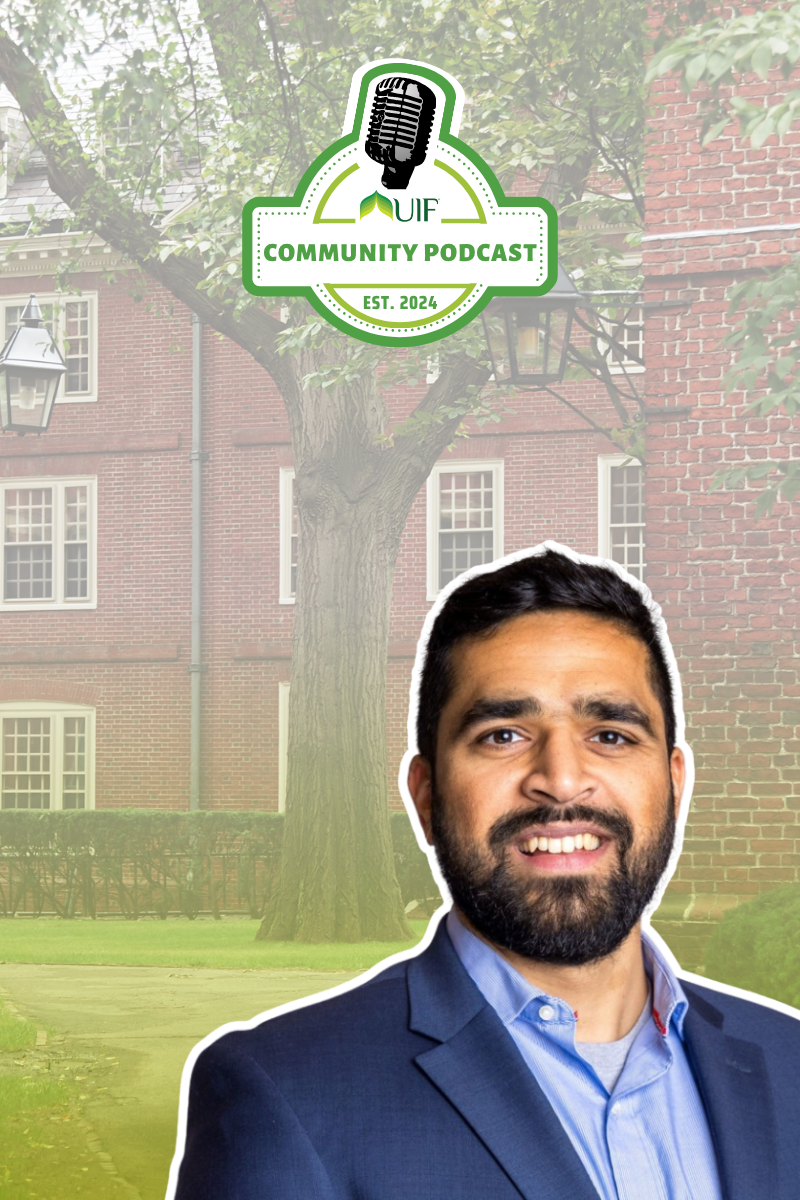
On a recent episode of the UIF Community Podcast, we sat down with leadership consultant, executive coach, and author Nejat Abdurahman to discuss her book, The Art of Managing Up. Having spent years coaching executives, developing leaders, and helping organizations build stronger workplace cultures, Nejat shared practical advice on how employees can communicate more effectively, earn trust, and become influential contributors without resorting to office politics or self-promotion.
One of the biggest takeaways from the conversation is that “managing up” has nothing to do with manipulating your manager. Instead, it’s about creating a partnership built on trust, communication, and shared success.
Managing Up Starts with Understanding Your Manager
Every manager has a different leadership style. Some prefer detailed updates and regular check-ins. Others value independence and only want to be involved when necessary. Some make decisions quickly, while others prefer to gather information before moving forward.
Rather than expecting every manager to adapt to your preferred communication style, Nejat explained that effective professionals learn to understand the person they’re working with. That doesn’t mean changing who you are; it means recognizing how your manager processes information, what challenges they face, and how you can communicate in ways that make collaboration easier.
When employees take the time to understand their leaders, misunderstandings decrease, trust grows, and teams become more effective.
One of the most practical ideas discussed during the conversation is surprisingly simple. Don’t just complete your assigned work: help your manager succeed.
That might mean anticipating questions before they’re asked, communicating potential roadblocks early, or presenting possible solutions instead of simply identifying problems.
Managers spend much of their day balancing competing priorities. Team members who consistently think ahead and solve problems become invaluable because they reduce stress rather than add to it.
This isn’t about taking on unnecessary work. It’s about developing the mindset of ownership instead of simply completing tasks. Employees who understand the broader goals of their department are often better positioned to contribute in meaningful ways.
Communication Is More Than Giving Status Updates
Many professionals assume good communication means keeping their manager informed. While regular updates are certainly important, Nejat emphasized that communication should also create clarity. Effective conversations help managers understand progress, identify challenges before they become crises, and ensure everyone is working toward the same objectives.
One of the easiest ways to build credibility is by communicating proactively. Rather than waiting until a deadline is missed or a project goes off course, successful employees speak up early, ask thoughtful questions, and keep leaders informed about important developments. Doing so demonstrates responsibility, professionalism, and respect for everyone involved.
Leadership doesn’t begin when you receive a promotion. Influence is something that’s earned long before you have a management title. Employees who consistently follow through on commitments, demonstrate good judgment, and approach challenges with a solutions-oriented mindset naturally become trusted advisors within their organizations.
Over time, those habits create opportunities. Managers are more likely to delegate important projects, seek input, and recommend people they know they can rely on. In many cases, influence isn’t about having authority. It’s about becoming someone others trust.
Feedback Is an Opportunity, Not a Threat
Receiving constructive feedback can be uncomfortable. No one enjoys hearing that something could have been handled differently.
However, one of the qualities that distinguishes high-performing professionals is their willingness to receive coaching with humility. Rather than viewing feedback as criticism, successful employees see it as valuable information that helps them grow. Likewise, managers appreciate individuals who actively seek feedback because it demonstrates maturity, self-awareness, and a genuine desire to improve. Professional development isn’t about becoming perfect. It’s about becoming a little better with every project, conversation, and challenge.
Career Growth Is a Shared Responsibility
One of the refreshing aspects of Nejat’s perspective is that she doesn’t place all responsibility on managers.
While organizations certainly benefit from strong leadership, employees also have an important role to play in shaping productive workplace relationships. Taking initiative, communicating clearly, asking thoughtful questions, and demonstrating accountability are all actions within an employee’s control. Rather than waiting for opportunities to appear, professionals can position themselves for growth by consistently demonstrating reliability and professionalism.
Career development isn’t something that happens to us. It’s something we actively participate in every day.
Strong Relationships Build Strong Careers
At its core, managing up isn’t about impressing your boss. It’s about building relationships rooted in mutual respect, trust, and open communication.
When employees understand their leaders, communicate proactively, and approach their work with a spirit of ownership, everyone benefits. Teams become more collaborative, managers become more effective, and individuals create opportunities for long-term career growth.
Nejat Abdurahman’s insights serve as a valuable reminder that technical expertise may help open doors, but communication, emotional intelligence, and strong professional relationships are often what help people continue growing once they’re inside.
Whether you’re just beginning your career or preparing for your next leadership opportunity, learning how to work effectively with the people around you may be one of the most valuable professional skills you’ll ever develop.
Share This Story, Choose Your Platform!