For many families, the college admissions process can feel overwhelming.
Questions about grades, extracurricular activities, scholarships, financial aid, and rising tuition costs often leave parents wondering if they’re doing enough to prepare their children for the future. And with college becoming increasingly competitive, it’s easy to believe that success depends on checking every possible box.
The truth is that preparing for college isn’t about creating the perfect résumé. It’s about making intentional decisions early, understanding what colleges value, and helping students grow academically, personally, and ethically.
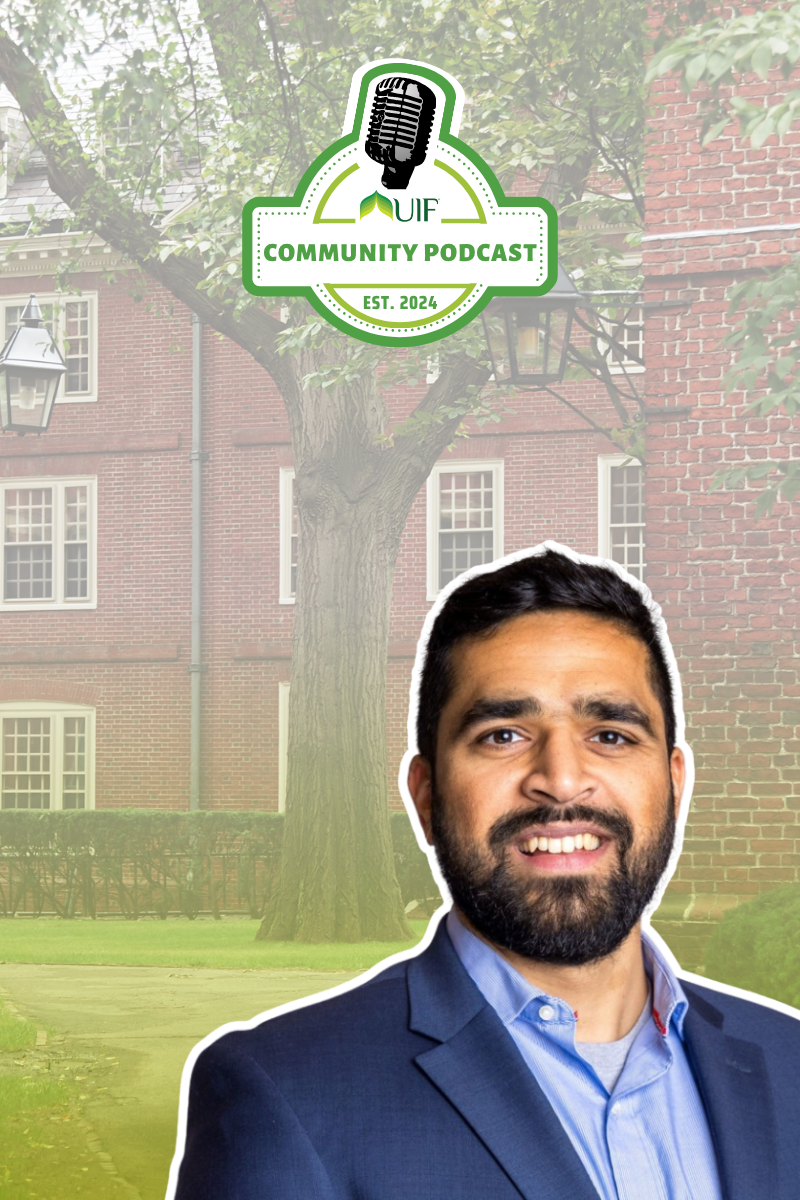
On a recent episode of the UIF Community Podcast, we sat down with Dr. Salman Khan to discuss what families should know about navigating today’s college admissions landscape. From building a strong student profile to maximizing scholarship opportunities and reducing reliance on interest-based student debt, the conversation offers practical guidance for parents and students at every stage of the journey.
College Preparation Starts Earlier Than Most Families Think
Many parents assume the college application process begins during a student’s junior or senior year of high school. In reality, many of the decisions that shape a strong college application happen years earlier.
Academic habits, course selection, meaningful extracurricular involvement, volunteer experiences, and personal growth all develop over time. Rather than trying to build an impressive résumé during the final year of high school, students benefit from consistently pursuing activities they genuinely enjoy and that help them develop valuable skills.
Preparing early also gives families more time to research schools, understand admissions requirements, and make thoughtful financial plans instead of making rushed decisions under tight deadlines.
Colleges Want More Than Perfect Grades
Strong grades and test scores remain important, but they tell only part of a student’s story. Admissions offices often look for applicants who demonstrate curiosity, leadership, resilience, and a willingness to contribute to their communities. A student who has shown long-term commitment to a handful of meaningful activities may stand out more than someone with an extensive list of short-lived accomplishments.
This is especially encouraging for families who may feel pressure to fill every free moment with clubs, competitions, and extracurricular programs. Quality, consistency, and genuine passion often leave a stronger impression than simply being busy.
Keeping this in mind can also impact your child’s scholarship opportunities. Scholarship opportunities come in many forms, and families who begin researching them early often have far more options available. Merit-based scholarships, institutional aid, local community awards, and private scholarships all have different requirements and application timelines. Waiting until senior year can mean missing opportunities that required planning months (or even years) in advance.
Being proactive allows families to reduce financial stress while expanding the number of schools that may become financially accessible.
Planning Ahead Can Reduce Student Debt
For many families, one of the greatest concerns surrounding higher education is cost.
Student debt has become a defining financial challenge for many graduates, affecting major life decisions long after college ends. For Muslim families, the concern is often even greater because of the reliance many traditional student loans have on interest-based financing.
Rather than treating college financing as an afterthought, Dr. Khan encourages families to make financial planning part of the college conversation from the very beginning. Saving for college early, understanding scholarship opportunities, comparing school costs, exploring alternative funding strategies, and creating realistic expectations can help students pursue higher education while reducing unnecessary financial burdens.
Parents Play a Bigger Role Than They Realize
While students are ultimately responsible for completing applications and succeeding academically, parents often shape the environment that makes long-term success possible.
Encouraging curiosity, promoting good study habits, teaching time management, and creating open conversations about goals can all have a lasting impact.
Equally important is helping students understand that college is not simply about gaining admission to a prestigious institution. It’s about finding an environment where they can continue learning, growing, and preparing for a meaningful career and life.
When parents focus on development rather than comparison, students are often better equipped to make thoughtful decisions with confidence.
Success Is About More Than Acceptance Letters
It’s easy to measure success by the name of the college printed on an acceptance letter.
But long-term success depends on much more than where a student enrolls.
Character, work ethic, adaptability, communication skills, and a commitment to lifelong learning often have a greater influence on future opportunities than any single school.
Academic achievement matters, but so do integrity, resilience, and the ability to continue growing after graduation.
Helping students develop these qualities prepares them not only for college, but for careers, families, and lives of purpose.
Building a Future with Intention
The journey to college is about much more than completing applications or meeting admissions deadlines.
It’s an opportunity for families to have meaningful conversations about goals, values, financial responsibility, and the kind of future they hope to build.
By starting early, planning intentionally, and keeping long-term success in perspective, parents can help their children approach the admissions process with greater confidence and less stress.
College is an important milestone, but it’s only one chapter in a much larger story. The habits students develop, the values they carry, and the decisions they make along the way will shape their future long after graduation.
Share This Story, Choose Your Platform!